September is the month that experienced Amboseli visitors often choose when they want the quality of the full dry season without the intensity of the most publicised months. It sits directly behind August in the calendar and is frequently dismissed by first-time visitors who assume that August must be better simply because it comes first. That assumption is worth examining, because September has genuine advantages over August that make it the stronger choice for specific kinds of travellers.
The dry-season conditions in September are fully intact. Roads are workable, visibility is excellent, and wildlife concentration around the park’s permanent swamp system remains as predictable as at any point in the year. The difference from August is primarily atmospheric: September tends to feel slightly calmer, slightly less visited, and slightly more spacious. That quieter character is something many visitors do not know to value until they have experienced the contrast.
What September Conditions Feel Like
September in Amboseli still operates firmly within the dry-season pattern. Mornings start cool, with temperatures before sunrise in the mid-teens, and warm through to comfortable highs in the mid-to-upper 20s Celsius by afternoon. Cloud pressure is low. The sky has the hard, clear quality that characterises East African dry-season mornings, and dawn drives produce the kind of light that photographers plan specific trips around.
The landscape at this point in the dry season is at its most stripped and open. Vegetation is sparse, visibility across the plains is excellent, and the ecosystem has the lean, focused quality that makes wildlife viewing so efficient. Animals are concentrated around the permanent water sources rather than dispersed across a well-vegetated landscape, and that concentration makes the safari day predictable in the best sense.
What distinguishes September from July is a subtle softening rather than a dramatic difference. The atmosphere carries slightly less of the tense, peak-season energy that the most famous months can accumulate. You might encounter fewer vehicles at key sighting locations, have more room at the best swamp-edge viewpoints, and find that game drives feel slightly more private. These are incremental benefits rather than transformative ones, but they matter to visitors who care about the quality of the experience rather than just the quantity of the wildlife.
Wildlife in September
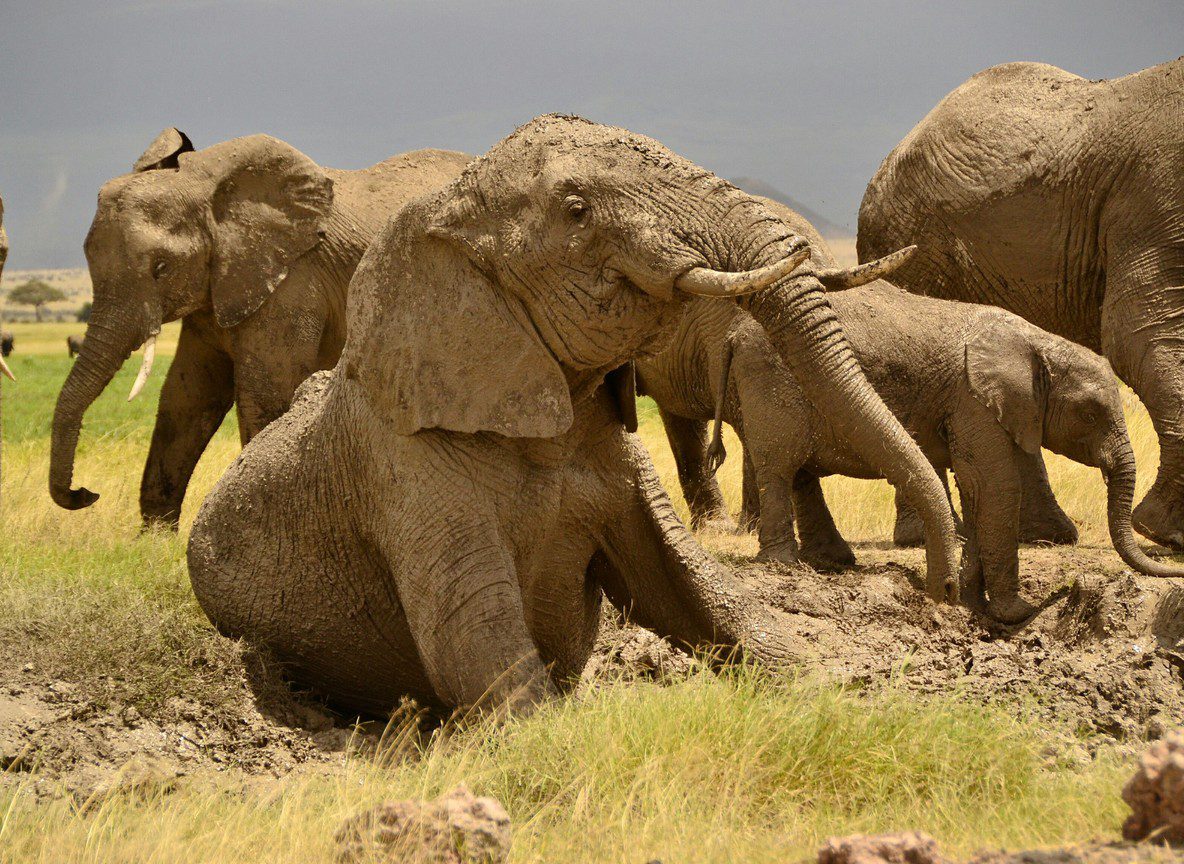
September is an excellent wildlife month by any measure. The elephant concentration around the Enkongo Narok and Ol Tukai swamp areas is at its most established and reliable point in the annual cycle. Herds that have been using these water sources since the dry season began in June are now deeply habituated to a predictable daily pattern, moving between overnight feeding grounds and the swamp margins in ways that experienced guides can read and anticipate.
For visitors whose primary interest is elephants, September may actually be the single best month in the Amboseli calendar. The July premium is largely about marketing and perception. The September experience, from the standpoint of actual elephant encounters, can be just as strong or stronger, with more relaxed conditions around key sighting areas and herds that are visible in excellent light without the accompanying density of observer vehicles.
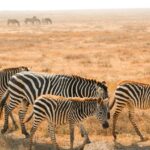
The broader wildlife picture in September is consistently good. Wildebeest and zebra are active in the open areas south and east of the swamps. Buffalo herds use the swamp margins regularly. Giraffe are visible in the acacia zones. Predators are present but not a defining feature of the Amboseli experience in the way they are in reserves with denser predator populations.
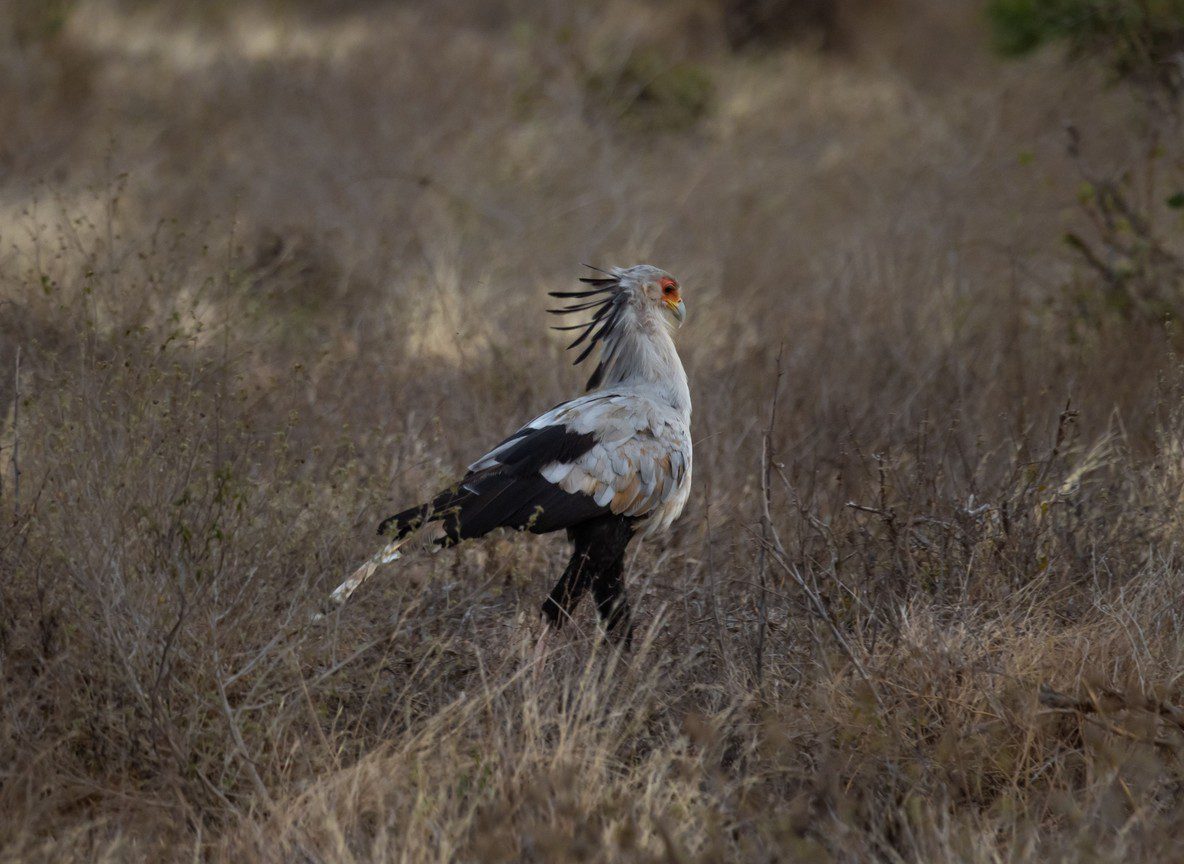
For birding, September is solid. The resident waterbird community around the swamps is active, and the open plains support a range of raptors, starlings, and open-country species. It is not the birding peak that November and the green-season months provide, but it is productive enough to add meaningful variety to a mammal-focused game drive.
Kilimanjaro in September
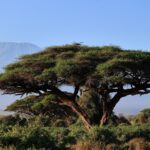
The mountain performs well in September. Dry-season conditions maintain the atmospheric clarity that gives Kilimanjaro its most dramatic presentations, and dawn drives during September regularly produce clean summit views for the first one to two hours after sunrise. The snow cap reflects orange and pink light as dawn breaks, the elephants move through the foreground, and the combination that defines Amboseli’s visual identity is consistently achievable.
Compared to July, September’s mountain performance is very similar. The slight reduction in the absolute clarity of July is barely perceptible on most mornings, and for practical planning purposes the two months can be treated as equivalent for mountain photography. The main difference is that September provides this experience with somewhat fewer vehicles competing for the same vantage points.
The standard approach still applies: prioritise pre-sunrise departures, position yourself in the open plains south of the swamp centre, and protect the early morning as your primary mountain window. Mid-morning cloud build-up over the summit, while less common in September than in the short-rains months, is still possible and makes the dawn window the only reliable one.
September’s Specific Appeal for Photographers
This is where September’s positioning in the calendar creates a genuine advantage. The combination of dry-season clarity and a slightly less crowded environment makes it a month that dedicated photographers often quietly prefer to the more famous peak months.
The light quality in September continues the high-contrast, warm-toned dry-season character that is ideal for wildlife and landscape photography. Animals are in excellent positions at predictable times. The elephant herds at the swamp margins in the first light of morning are accessible, relaxed, and large. The mountain is reliable at dawn. And the practical side of running a productive photography day, arriving early, spending extended time with key subjects, moving between locations without competitive pressure, works more smoothly than in the highest-demand period.
Photographers specifically interested in the full elephant-Kilimanjaro composition should consider three nights minimum. Three dawn sessions in September significantly improve the probability of catching both mountain and elephant in ideal positions simultaneously, which is a genuinely uncommon alignment even in the best conditions.
Planning Your Days in September
The game-drive day structure in September is the classic dry-season pattern, and it works reliably:
Leave camp at least 30 minutes before first light. Drive directly to the open plains south or southeast of the swamp, where the sightline to the mountain is cleanest and morning elephant movement is predictable. Spend the first two hours here, working the swamp margins as the light builds. As the sun rises higher and the light becomes harsher, move into the swamp-edge areas for close-range elephant activity. Return to camp between 10:00 and 11:00 AM.
Rest during the middle of the day. The two hours either side of noon are the least productive for wildlife activity and photography, and trying to force productive sightings in harsh midday light is generally a poor use of energy.
Head out again around 4:00 PM. The late afternoon in September offers some of the best photographic light of the day, with the sun dropping toward the horizon behind the mountain and soft, warm tones illuminating the dust and the wildlife. This drive is often the most creative session of the day, distinct from the factual efficiency of the early morning.
September vs Other Months: A Quick Comparison
August versus September: August is often cited as the peak month, but September gives nearly equivalent conditions with marginally fewer visitors. For most travellers, this comparison is closer than people expect, and September often wins on the practical experience if not on the reputation.
September versus October: September is the cleaner dry-season month. October starts showing the first signs of the approaching short-rains transition, which means slightly more afternoon variability and occasionally softer mountain mornings. For the purest late-year dry-season experience, September is the better choice.
Who September Suits Best
September is one of the strongest recommendations for visitors who want the full quality of the Amboseli dry-season experience with a slightly quieter, more considered atmosphere than the most famous peak months. It suits photographers, couples who value calm over peak-season energy, and first-time visitors who have some date flexibility and are willing to look beyond the most marketed month.
Repeat safari visitors consistently rank September as one of their preferred Amboseli months, precisely because the experience quality remains high while the atmosphere is more manageable. For travellers who want to feel like they are in the park rather than queuing to see the park, September often delivers that feeling more successfully than July.
The visitors for whom September is less suitable are those who specifically want to visit in the most famous month for social or reputational reasons. If the goal is to have visited in “peak season” as a specific credential, July or August is the appropriate choice. If the goal is to have the best possible Amboseli experience at a slightly lower cost and quieter atmosphere, September is the more intelligent answer.
Pros and Cons at a Glance
| Factor | Notes |
|---|---|
| Elephant viewing | Excellent; highly predictable around swamp margins |
| Kilimanjaro visibility | Strong, particularly at dawn |
| Landscape | Open and dry; excellent for visibility |
| Birding | Solid; waterbirds active around swamps |
| Visitor numbers | Lower than July or August |
| Pricing | Below peak; good relative value |
| Photography conditions | Excellent; strong light and calm field atmosphere |
| First-time suitability | Outstanding |
Practical Planning Notes
Access to Amboseli in September is among the easiest of the year. The road from Nairobi via Namanga is fully reliable, charter flights to the airstrip are straightforward, and the logistics of an Amboseli visit in September carry fewer variables than in any green-season month.
Packing remains a classic dry-season approach: a warm layer for dawn drives, breathable clothing for warm afternoons, strong sun protection, and camera dust protection. Rain gear is not needed.
For duration: two nights is viable for a short focused visit. Three nights is the recommended minimum for anyone with Kilimanjaro photography as a meaningful goal, giving multiple dawn attempts and a stronger overall return on the investment in reaching the park.
Where to Go Next
September Amboseli pairs naturally with September timing elsewhere in Kenya, where dry-season conditions are also strong. The Masai Mara in September is typically still showing good migration activity and open-plains game viewing. Samburu in northern Kenya offers a very different ecosystem with specialist species not found in Amboseli, and September conditions there are also excellent.
For full seasonal context on Amboseli and how September positions within the annual calendar, guides at touringinsights.com provide month-by-month comparisons that are useful for timing decisions.
For current September conditions, camp-level availability, and specific field intelligence, trunktrailssafaris.com maintains on-the-ground knowledge from active operations in the Amboseli ecosystem.
Every trip described here can be tailored: dates, budget, camps, and pace built around you.
Get a Personalised Safari